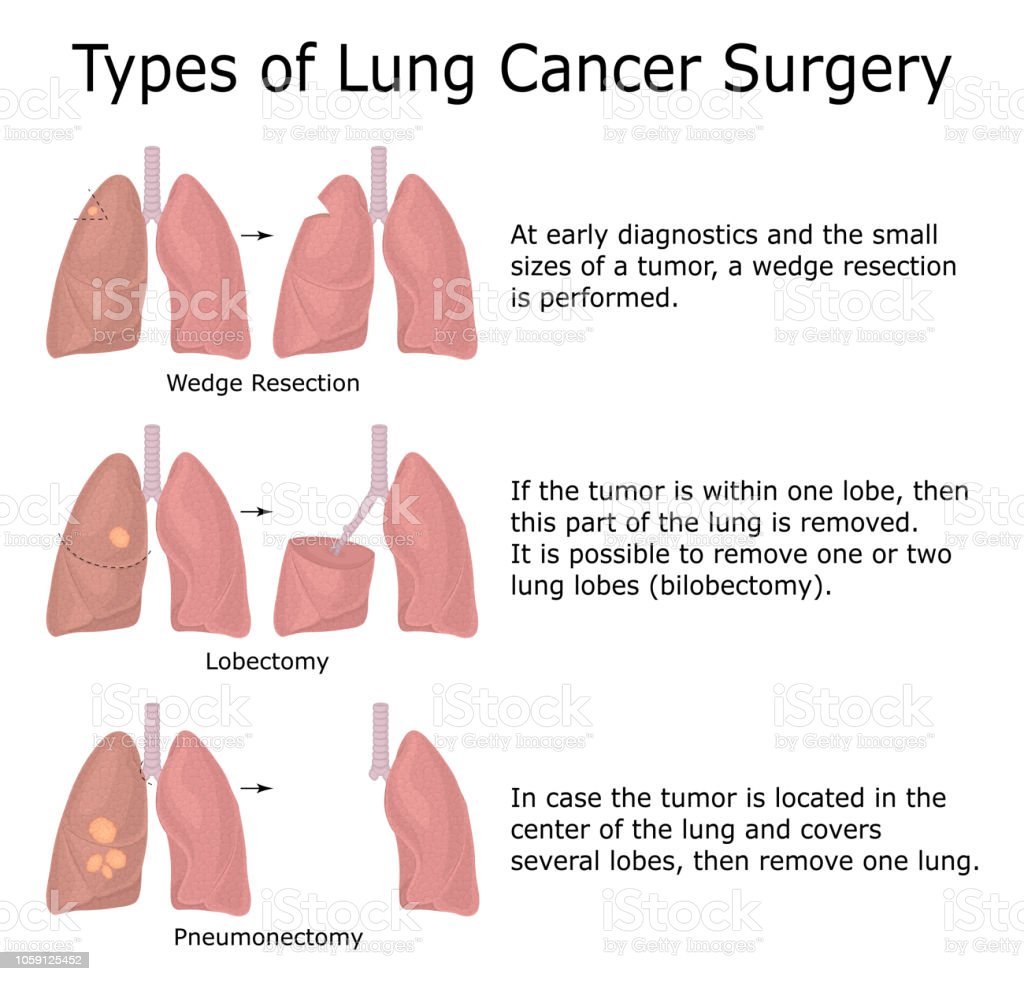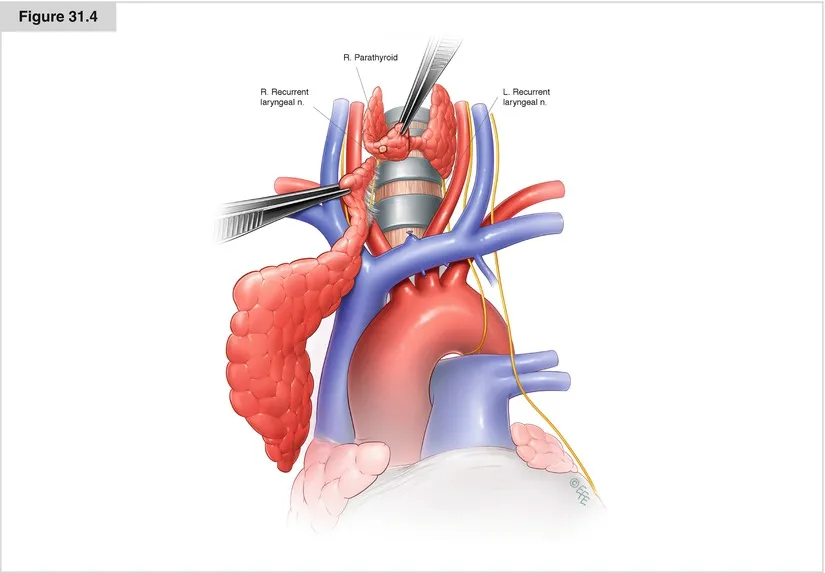
Thymectomy is a surgical procedure that involves the removal of the thymus gland, a small organ located in the upper part of the chest, just behind the breastbone. The thymus plays a role in the development of the immune system, particularly during childhood and adolescence.
Thymectomy is most commonly performed to treat conditions such as myasthenia gravis, a neuromuscular disorder, or thymomas, which are tumors of the thymus gland. By removing the thymus, doctors aim to alleviate the symptoms of these conditions or eliminate cancerous growths.
Thymectomy surgery is available in Mumbai and Navi Mumbai, with Dr. Nikhil's Thoracic Lung Surgery Clinic being a notable choice for this procedure. Dr. Nikhil Rane, a renowned Thoracic Surgeon, offers thymectomy as part of his services. Whether you require thymectomy for conditions like myasthenia gravis or thymomas, Dr. Rane's clinic provides expert care. With a focus on thoracic surgery and a reputation for excellence, Dr. Nikhil Rane's clinic is a trusted destination for patients seeking thymectomy surgery in the Mumbai and Navi Mumbai area.
Thymectomy surgery in Mumbai, performed by Dr. Nikhil Rane at his Thoracic Lung Surgery Clinic, follows a meticulous procedure:
Preparation: Your medical history and diagnostic tests are reviewed to prepare for surgery. You may receive specific preoperative instructions, such as fasting and medication management.
Anesthesia: You'll be administered anesthesia to ensure you're unconscious and pain-free during the procedure. An anesthesia team will closely monitor your vital signs throughout.
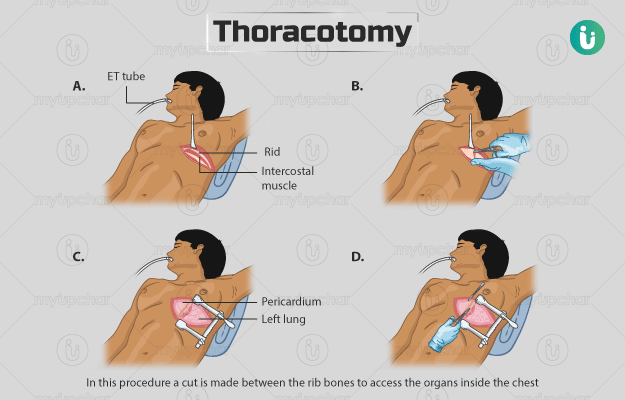
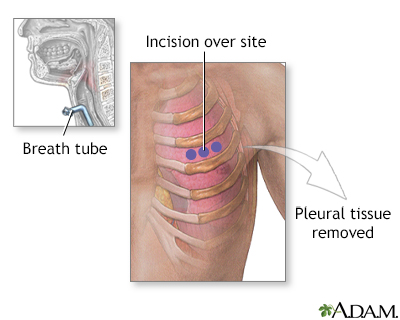
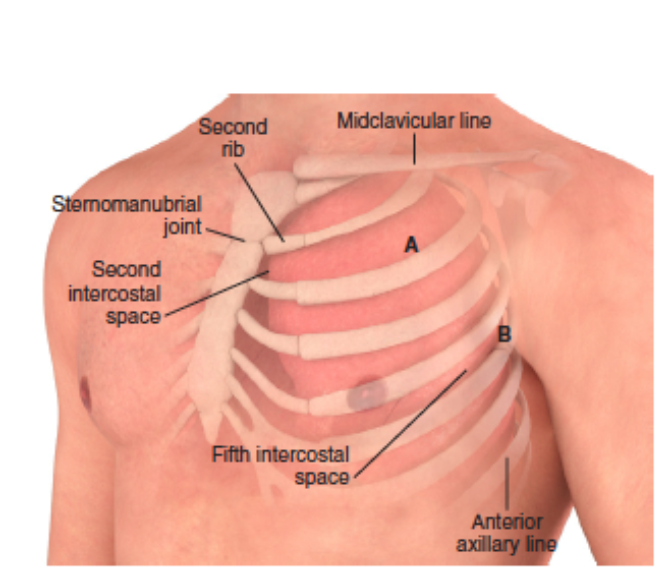
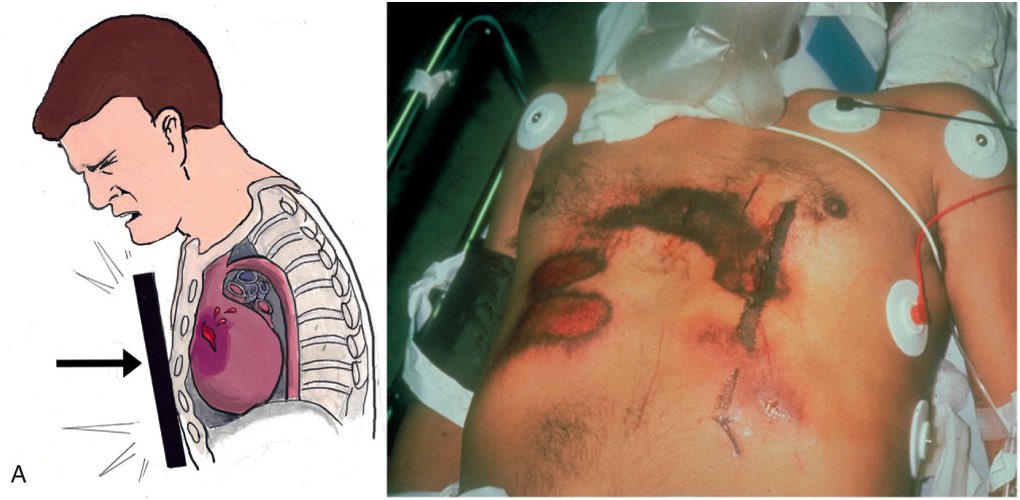
Incision: Dr. Nikhil Rane, an expert in thoracic surgery, makes an incision in the chest. The choice of approach, whether open surgery (sternotomy) or minimally invasive (e.g., VATS or robotic-assisted), depends on your condition and Dr. Rane's expertise.
Thymus Removal: Dr. Rane carefully dissects and removes the thymus gland. In cases of thymomas or other abnormalities, any affected tissue is also excised. Minimally invasive techniques often involve smaller incisions and specialized instruments.
Closure: After the thymus is extracted, the incision is meticulously closed using sutures or staples. In some cases, drains may be placed to manage postoperative fluid buildup.
Follow-Up: After discharge, you'll schedule follow-up appointments with Dr. Nikhil Rane to track your recovery progress and discuss any additional treatments or medications if necessary.
The cost of a thymectomy surgery in Mumbai can vary widely depending on the hospital, surgeon, and the patient's specific needs. On average, it may range from INR 80,000 to INR 3,00,000 or more. It is advisable to consult with a healthcare provider for an accurate estimate
Dr Nikhil Rane- Thoracic Surgeone
If you're seeking a thymectomy specialist in Mumbai, look no further than Dr. Nikhil Rane at his esteemed Thoracic Lung Surgery Clinic. Dr. Rane is renowned for his exceptional expertise in thoracic surgery, including thymectomy. With a track record of delivering high-quality care, he's a trusted choice for patients dealing with conditions like myasthenia gravis or thymomas.
Dr. Nikhil Rane's commitment to precision and patient well-being has established him as a leading figure in the field. Whether through traditional open surgery or minimally invasive techniques, his approach prioritizes patient comfort and optimal outcomes. For thymectomy in Mumbai, Dr. Rane's clinic is synonymous with excellence in care.
Thymectomy, the surgical removal of the thymus gland, is performed for several reasons, including
Myasthenia Gravis: Thymectomy is often recommended as a treatment for myasthenia gravis, a neuromuscular disorder. Removing the thymus can improve symptoms and potentially lead to remission in some patients.
Thymomas: Thymectomy is a crucial treatment for thymomas, which are tumors that can develop in the thymus gland. Removing the thymus is essential to address the cancer and prevent its spread.
Other Thymic Tumors: Besides thymomas, other thymic tumors or abnormalities may necessitate thymectomy as part of the treatment plan.
Autoimmune Disorders: Thymectomy may be considered in select cases of autoimmune disorders other than myasthenia gravis, where the thymus is believed to play a role in the disease's progression.
Research and Clinical Trials: In some instances, thymectomy may be performed as part of medical research or clinical trials to study its effects on certain conditions.
There are several types of thymectomy surgery, each with its own approach and technique. The choice of which type to use depends on the patient's condition and the surgeon's expertise. The main types of thymectomy surgery include:
Transsternal Thymectomy (Open Surgery): In this traditional approach, a large incision is made in the chest (sternotomy) to access and remove the thymus gland. It offers excellent visibility for complete thymus removal and is typically used for larger thymomas or when minimally invasive techniques are not suitable.
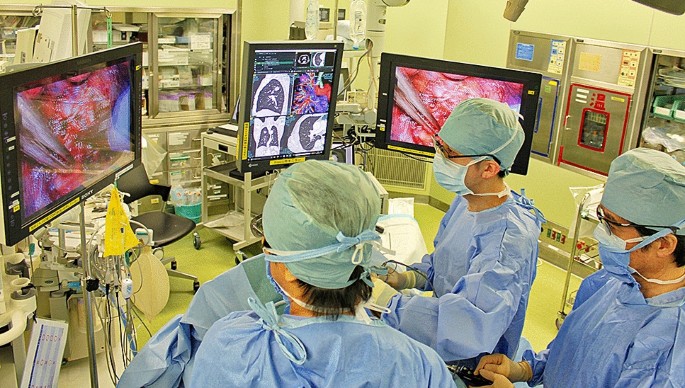
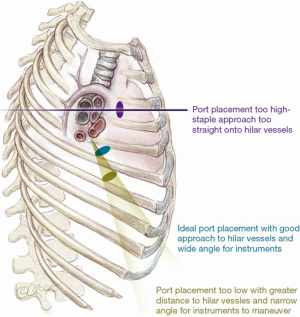
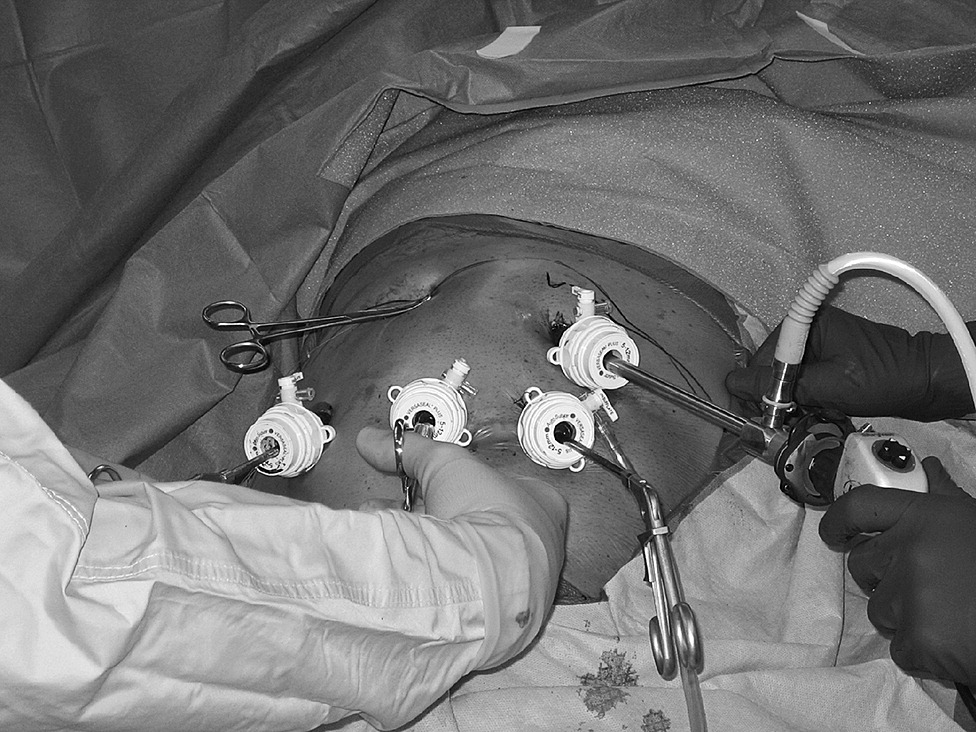
Video-Assisted Thoracoscopic Surgery (VATS): VATS is a minimally invasive approach that involves making several small incisions in the chest. A camera and specialized instruments are used to remove the thymus gland. VATS offers faster recovery times and less scarring compared to open surgery.
Robotic-Assisted Thymectomy: Similar to VATS, robotic-assisted thymectomy is a minimally invasive technique. However, it utilizes robotic arms controlled by the surgeon for increased precision and maneuverability, making it suitable for more complex cases.

Lung Surgery Clinic 306,The Pacific, Sector 13, Shilp Chauk,Kharghar . Navi-Mumbai-410210

882 840 9878

dr.nikhilrane356@gmail.com